Tag: AsianScene

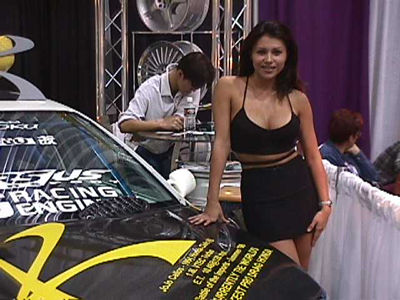
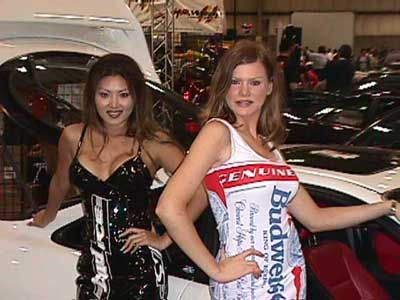
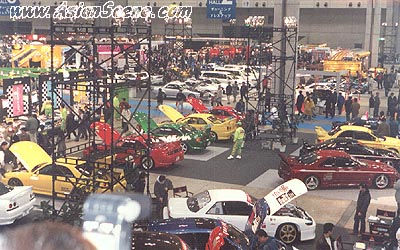
  • Tokyo Auto Salon in Tokyo, Japan 01 8-10 1999

    Tokyo Auto Salon in Tokyo, Japan 01 8-10 1999

    The Dawn of a New King: Tokyo Auto Salon 1999

    Date: January 8–10, 1999

    Location: Makuhari Messe, Chiba (Greater Tokyo Area)

    Attendance: ~200,000+ (Historical Estimate)

    The 1999 Tokyo Auto Salon (TAS) is widely regarded by historians as the single most critical event in the history of the modern “JDM” tuning era. While previous years were about the rise of the Mitsubishi Lancer Evolution and the Toyota Supra, January 1999 marked a tectonic shift: the public debut of the Nissan Skyline GT-R (BNR34).

    Held just days after Nissan officially announced the car, the show floor was a frenzy of R34mania. However, beyond the factory debut, the 1999 salon defined the “Max Power” era of Japanese tuning, where shops moved away from 0-400m drag times and began focusing on 300km/h+ top speed runs on public highways.

    The Headline Act: The BNR34 GT-R

    If you were at Makuhari Messe that weekend, you were there to see one car. The R33 GT-R had been considered too bulky (“the boat”) by Japanese tuners, so the return to a shorter wheelbase with the R34 was celebrated as a return to form.

    • Blitz: Displayed one of the first-ever modified R34s, the “R348”. This silver demo car was not just for show; it was built to break the speed record on the German Autobahn (which it later did, hitting 343 km/h).
    • Mine’s: Legendary tuner Niikura-san debuted the “Mine’s R34” philosophy that weekend: stock-looking aesthetics with immediate throttle response, a sharp contrast to the high-horsepower drag monsters of the time.

    Notable Debuts & Legends

    While the GT-R stole the headlines, the “Old Guard” of the tuning world brought their most iconic builds to 1999.

    1. Top Secret: The GT-300 Supra

    Kazuhiko “Smokey” Nagata unveiled his golden masterpiece, the Top Secret GT-300.

    • The Shock: When the hood was popped, the 2JZ was missing. In its place was a 2.0L 3S-GTE 4-cylinder (from a Celica/MR2).
    • The Logic: Nagata-san moved the engine back toward the firewall to create a perfect front-mid-engine weight balance for highway stability. This car would later become famous for its illicit speed runs in New Zealand.

    2. RE Amemiya: Super GReddy 8

    Isami Amemiya, the “Rotary God,” debuted the Super GReddy 8, a hot pink Mazda RX-7 (FD3S) featuring a Porsche 911-style front end conversion (AC987 kit).

    • This car cemented the “Amemiya Style” of completely re-sculpting the FD’s body lines, a trend that persists today.

    3. The “Wagon” Boom

    A unique trend of TAS ’99 was the explosion of performance station wagons.

    • Nissan Stagea (260RS): Tuners like Takero’s and Dolphin showed off Stageas with R34 front-end swaps (“Stagea R34 Faces”), essentially building the GT-R wagon Nissan never sold.
    • Subaru Legacy (BH5): The new twin-turbo Legacy had just launched, and booths were filled with “Zero Sports” and “Syms” aero kits for it.

    The Cultural Shift: From Drag to Wangan

    The 1999 Auto Salon marked the end of the “Yatabe” era (testing top speeds at the Yatabe banked oval). With the Yatabe test track closing, the major tuning houses (Blitz, HKS, Top Secret, Veilside) pivoted their marketing toward “Street Legal” top speed.

    • Veilside: Displayed their “Combat” aerodynamic kits, which were functionally designed to stabilize cars at speeds exceeding 300 km/h.
    • Option Magazine: The booth for Option (the bible of the scene) was recruiting for the “Silver State Classic” in Nevada, signaling the Japanese tuning world’s ambition to conquer American roads.

    Legacy

    The 1999 show is often cited as the peak of the “Golden Era.” It was the last year before strict emissions regulations began to strangle the RB26 and 2JZ engines, and it was the launchpad for the R34 GT-R, the car that would eventually become the global face of Japanese car culture.
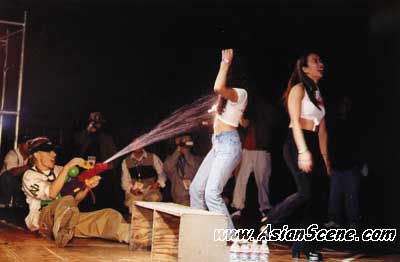
  • AsianScene presents Jingle Jam in San Francisco, CA 12-20-1998

    AsianScene presents Jingle Jam in San Francisco, CA 12-20-1998

    To wrap up 1998, Jingle Jam was the homecoming victory lap for the Bay Area scene. While the Mainstream Showoff in Del Mar (November) was the corporate-heavy “Pro” show, AsianScene’s Jingle Jam was the “by the community, for the community” event that defined San Francisco’s local street culture.

    Held just five days before Christmas, the vibe was less about “industry networking” and more about the holiday party atmosphere—though the competition for the last trophies of the year remained cutthroat.

    Event Details: December 20, 1998

    • The Venue: the Cow Palace, the indoor setting was vital for the “Night Show” aesthetic—underglow, strobe lights, and polished chrome looked best under the rafters.
    • The Producer: AsianScene was a massive lifestyle brand/website at the time that bridged the gap between the car scene, club promoters, and early “e-zine” journalism.

    Jingle Jam Key Winners & Heavy Hitters

    The trophies at Jingle Jam often went to the cars that showed “Evolution”—builders who had updated their setups since the San Mateo show in June.

    • Best of Show: Domenic Lucido’s Acura Integra. While SoCal had RJ DeVera, NorCal had guys like Domenic. His Integra was a masterclass in the “Street-Show” hybrid style, featuring a custom interior and high-end audio that didn’t sacrifice performance.
    • Best Team: Team CIPHeR. After a dominant year, they showed up in force to Jingle Jam to claim the year-end bragging rights. Their roster of MR2s and Integras was the gold standard for San Francisco.
    • Best Female Entry: This was a growing category in 1998. Bernice P. and her clean, white Honda Civic (EJ) were often in the winner’s circle during this late-90s stretch.
    • Audio/Sound Pressure Level (SPL): Unlike the “Showoff” events which were more about aesthetics, AsianScene events often had a louder, “bass-heavy” element, with Team Biohazard or Ground Zero cars taking trophies for their trunk-shaking setups.

    The 1998 “AsianScene” Lifestyle

    Jingle Jam wasn’t just a car show; it was a full cultural production:

    1. The “Asian Scene” Sound: The DJ booths were spinning a mix of Freestyle, Hi-NRG, and West Coast G-Funk.
    2. Fashion: You would have seen a sea of Ben Davis pants, Fubu, oversized puffer jackets, and those distinct “crew” windbreakers.
    3. The Digital Rise: 1998 was when everyone started carrying early digital cameras. AsianScene was one of the first sites to post “galleries” online, which meant if you won at Jingle Jam, you were “internet famous” by Monday morning.
  • Mainstream Prod presents Import Showoff in Del Mar, CA 11-28-1998

    Mainstream Prod presents Import Showoff in Del Mar, CA 11-28-1998

    This event was the legendary Import Showoff: Season Finale, produced by Ken Miyoshi and Mainstream Productions. Held at the Del Mar Fairgrounds on the Saturday after Thanksgiving, it was the climax of the 1998 “Showoff” tour.

    Because this was the tour finale, the competition was significantly fiercer than the June show in San Mateo. This was the event where the Southern California (SoCal) heavyweights defended their turf against the NorCal and Arizona crews.

    Key Winners & Standouts

    While a complete list of all 50+ sub-category winners is lost to the pre-social media archives, several cars cemented their “legend” status that day:

    • Best of Show (Overall): RJ DeVera and his White RO_JA Honda Prelude (BB6). This car is arguably one of the most famous imports of all time. At Del Mar ’98, its combination of clean lines, high-end JDM parts, and the debut of the “RO_JA” brand aesthetic made it unbeatable.
    • Best Honda / First Place Civic: Ken Henderson or “Big” John (Team Emotion/Team Hokori). This era was dominated by the Team Emotion crew, who swept many of the Honda categories with their high-gloss engine bays and perfectly executed wire tucks.
    • Best Engineering: The Bergenholtz Racing CRX. Before it was a full-blown dragster, the Bergenholtz brothers displayed their wheel-ie-bar equipped, orange CRX, which bridged the gap between a show car and a serious 10-second drag machine.
    • Best Toyota: Usually a battle between the Supras of the era, but Todd Kaneko’s widebody Supra was a perennial winner at the 1998 Mainstream shows due to its aggressive stance and high-horsepower 2JZ-GTE build.

    The Atmosphere at Del Mar ’98

    • The “Showoff” Culture: Ken Miyoshi’s shows were different because they prioritized “JDM” (Japanese Domestic Market) styling—clean, functional, and authentic—over the “Wild” or “Rice” styles seen at other events.
    • Team Battles: This was a massive day for Team Macross, Team Emotion, and Street Image. If you weren’t flying a team banner, you were essentially invisible.
    • The Models: This show featured the “original” trio that defined the era: Francine Dee, Kaila Yu, and Sung Hi Lee. Their autograph lines were often longer than the lines to see the cars.

    Technical Trends from the Finale

    • Wheels: If you weren’t rocking Racing Hart Type-C or C2s, Volk TE37s, or Work Equips, you weren’t in the running for a trophy.
    • The “JDM” Face Swap: This was the year the “Integra Type R” front-end swap (J-spec long headlights) became the absolute requirement for any serious Acura builder.
    • Audio/Video: 1998 was the first year PS1 consoles and small LCD screens were integrated into passenger-side dash pads and headrests for “extra points.”
  • SEMA Show in Las Vegas (Nov 2–6, 1998)

    SEMA Show in Las Vegas (Nov 2–6, 1998)

    If the San Mateo show was the “Golden Age” of the street scene, the SEMA Show in Las Vegas (Nov 2–6, 1998) was the moment the industry officially realized the “Import Scene” was a billion-dollar juggernaut.

    In 1998, SEMA hit a massive milestone, breaking the 500,000 square foot mark for the first time. It was a transition year where the traditional hot-rod guard began to share floor space with the “compact performance” explosion.

    The Rise of the “Sport Compact”

    While SEMA was historically dominated by muscle cars and lift kits, ’98 was the year of the Japanese Import.

    • The Mitsubishi Eclipse: This was the peak of the 2G Eclipse. Companies like HKS, GReddy, and Apex’i were showing off turbo kits that could make these 4-cylinders rival V8s.
    • Honda Dominance: The 1998 show was flooded with EK Civics and DC2 Integras. It wasn’t just about “show” anymore; it was the year of the B18C and B16 swap becoming standardized aftermarket knowledge.
    • The “Asian Scene” Connection: Many of the same creators and crew members you would have seen at the San Mateo Autorama in June were in Vegas for SEMA, acting as consultants for big American brands trying to figure out how to market to the “Import” demographic.

    Notable Concepts & Builds

    The big manufacturers were trying to capture the custom-car lightning in a bottle:

    • Ford Expedition “Sea Scape”: A wild, nautical-themed concept truck that won the “Best Ford Concept Truck” award. It featured a chopped roof and marine-grade teak wood—peak 90s experimentalism.
    • The “New” Corvette: The C5 Corvette (introduced just a year prior) was the darling of the domestic builders, but the real buzz was around how many Nissan 240SXs (S14) were starting to appear with drifting-inspired setups, a style that was just beginning to migrate from Japan.

    Trends that Defined SEMA ’98

    TrendDescription
    GraphicsVinyl “tribal” and “barbed wire” side graphics were the standard for every booth car.
    Clear Tail LightsOften called “Altezzas,” these were the #1 requested mod at the show.
    NitrousThanks to early “street racing” media, NOS (Nitrous Oxide Systems) booths were some of the most crowded.
    White GaugesIndiglo and white-faced gauges were the high-tech interior upgrade of the year.

    The “Changing of the Guard”

    1998 was one of the last years SEMA felt like a “trade-only” secret before it exploded into a global media phenomenon. You had legendary figures like Robert Petersen (Hot Rod Magazine) and Linda Vaughn (Miss Hurst) walking the same halls as young Asian American tuners who were radically changing the definition of “Performance.”

    At SEMA ’98, the “Import” awards were still being integrated into the traditional domestic-heavy categories.

    • Best Ford Concept Truck: The 1998 Ford Expedition “Sea Scape”. Built for over $100,000, it featured a chopped roof and a nautical theme. It was one of the most awarded professional builds of that year.
    • Design Award for Accessory Stacking: Honda Civic (EK). While not a single car, Honda’s booth and several associated tuners (like GReddy) won design awards for how they integrated turbocharging kits into the D and B-series engines while maintaining a “factory” look.
    • The Ridler Award (Contextual): While SEMA has its own awards, the prestigious Ridler Award (given at Detroit Autorama) for 1998 went to Eric Peratt for his ’33 Ford Roadster “21st Century Comet.” This shows the contrast between the “traditional” hot rod world and the burgeoning import world you saw in June.
  • Asian Scene Import Autorama San Francisco 06281998

    Asian Scene Import Autorama San Francisco 06281998

    On June 28, 1998, the Import Autorama was held at the San Mateo Event Center (often associated with the San Francisco scene due to proximity). This era was the “Golden Age” of the import subculture—years before The Fast and the Furious went mainstream—where the community was heavily driven by Asian American youth culture, DIY tuning, and legendary crews.

    Event Highlights: June 28, 1998

    The show was a hallmark of the 90s “Show & Go” style, featuring a mix of heavy performance mods and the distinct “wild” aesthetics of the time (neon, large wings, and early body kits).

    • Standout Cars:
      • Toyota MR2s: The SW20 chassis was everywhere. Notably, Harry Wang’s MR2 with a rare Garage SPL Departure exhaust and Tom’s body kit was a major talking point.
      • The “Shark” MR2: A polarizing, bright-painted MR2 with a massive, gaping front bumper (resembling a shark) from NV Autobody or Andy’s Autosport was one of the most photographed cars of the day.
      • Toyota Celicas: Omar S. won the “Toyota Showoff” trophy with a legendary, clean yellow-orange TA Celica.
    • The Vibe: Unlike many outdoor shows (like the Import Challenge in Pleasanton), this was an indoor event, which allowed the candy paints and underglow to really pop.
    • The Crews: This was the era of “Representing.” Crews like Team CIPHeR, Gridline, and others dominated the floor. It wasn’t just about the cars; it was about the jackets, the stickers, and the status of the crew.

    Key Trends from that Specific Day

    • Body Kits: Bomex, Tom’s, and Veilside were the “dream” kits.
    • Audio: Trunks were filled with custom fiberglass enclosures and MTX or JL Audio subwoofers.
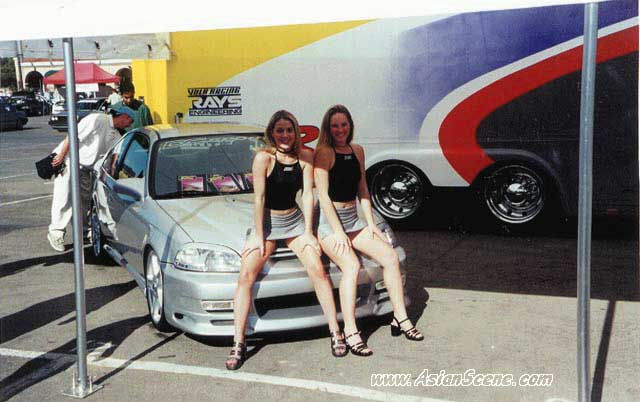
    • Models: The event featured some of the earliest “Import Models” (like the iconic Laura and Tiffany) who would often sign posters and pose with the cars, a staple of 90s car show culture.
404 Not Found