Tag: honda

  • DigiDizzy

    DigiDizzy

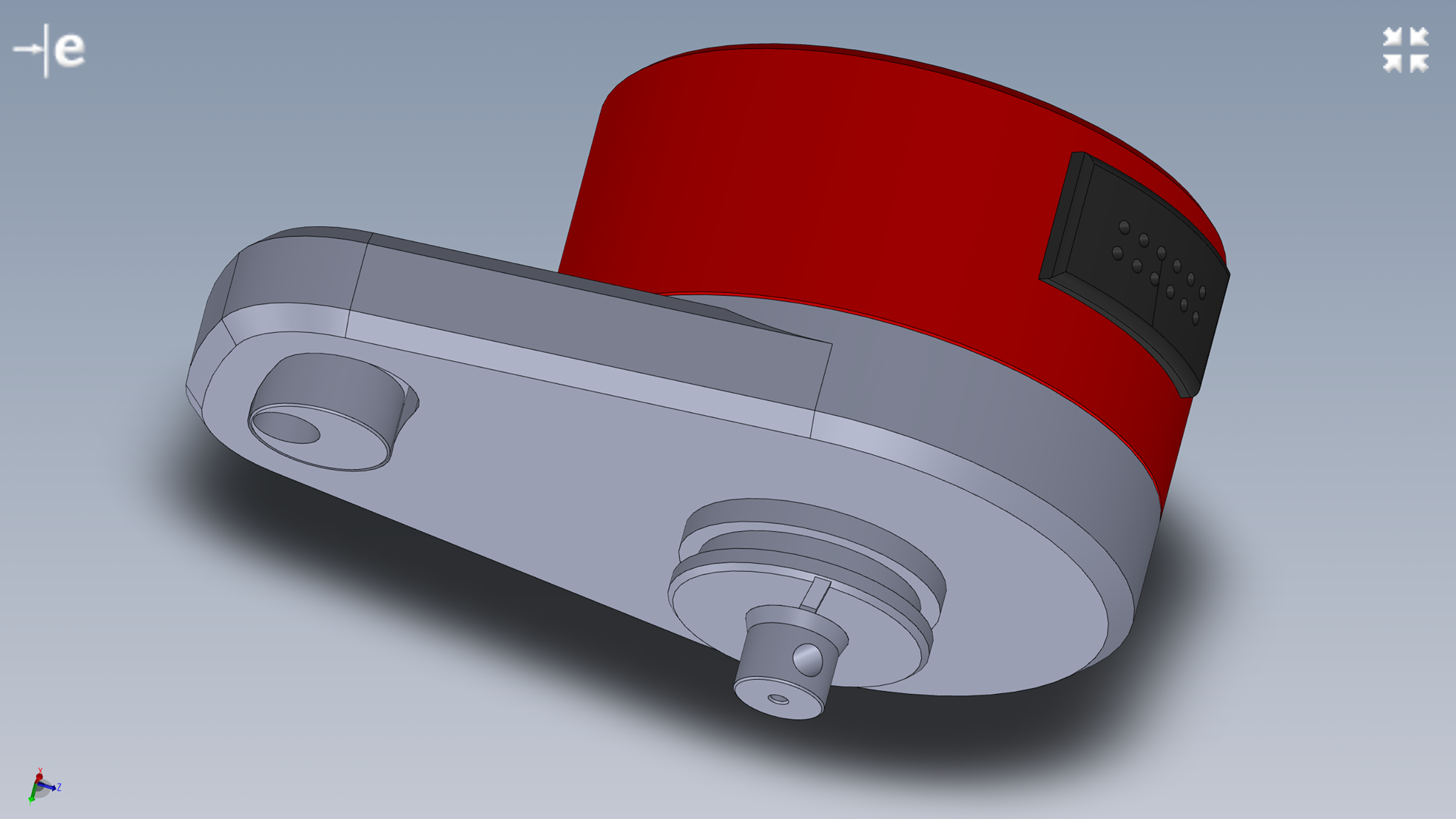
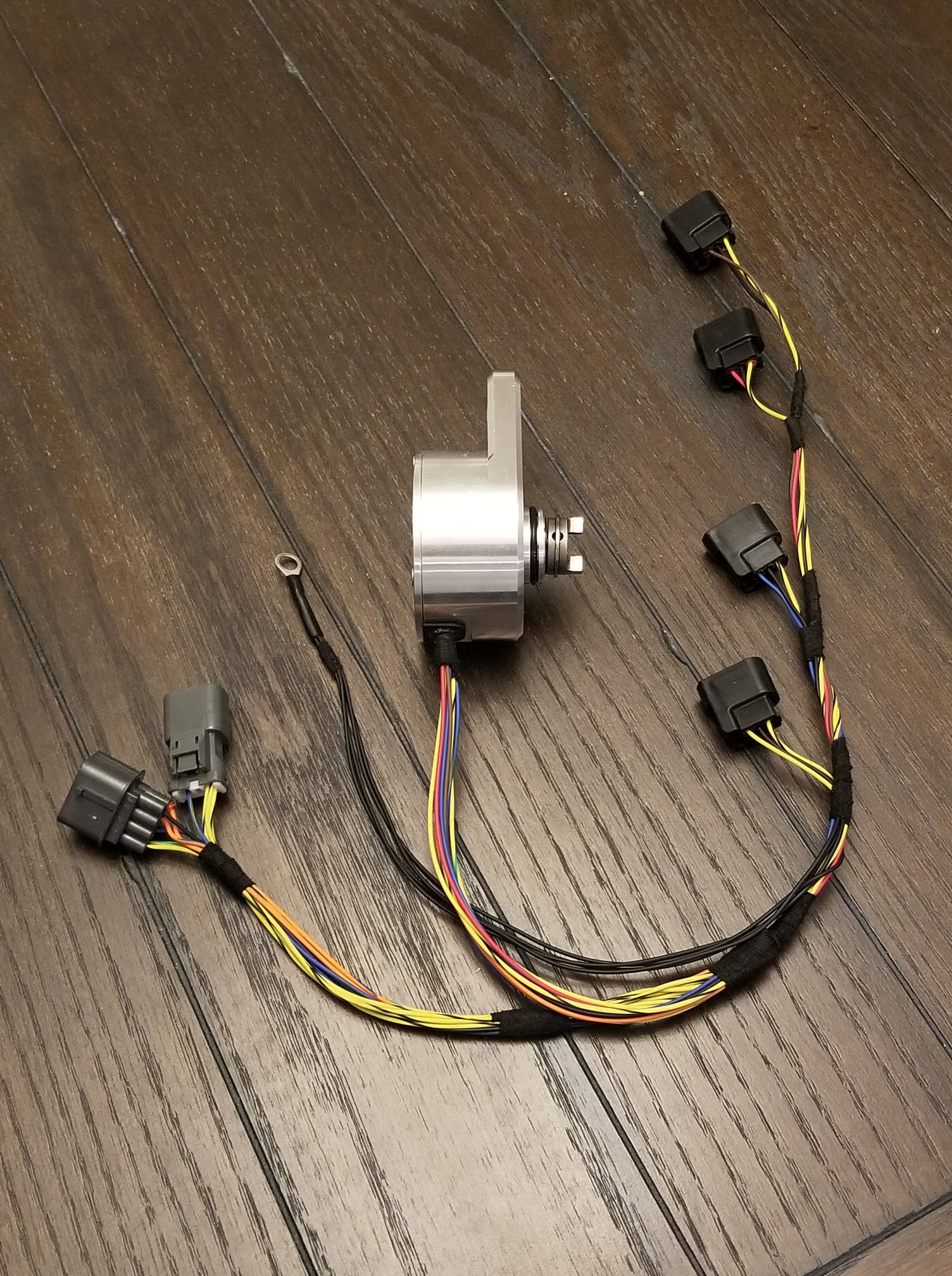
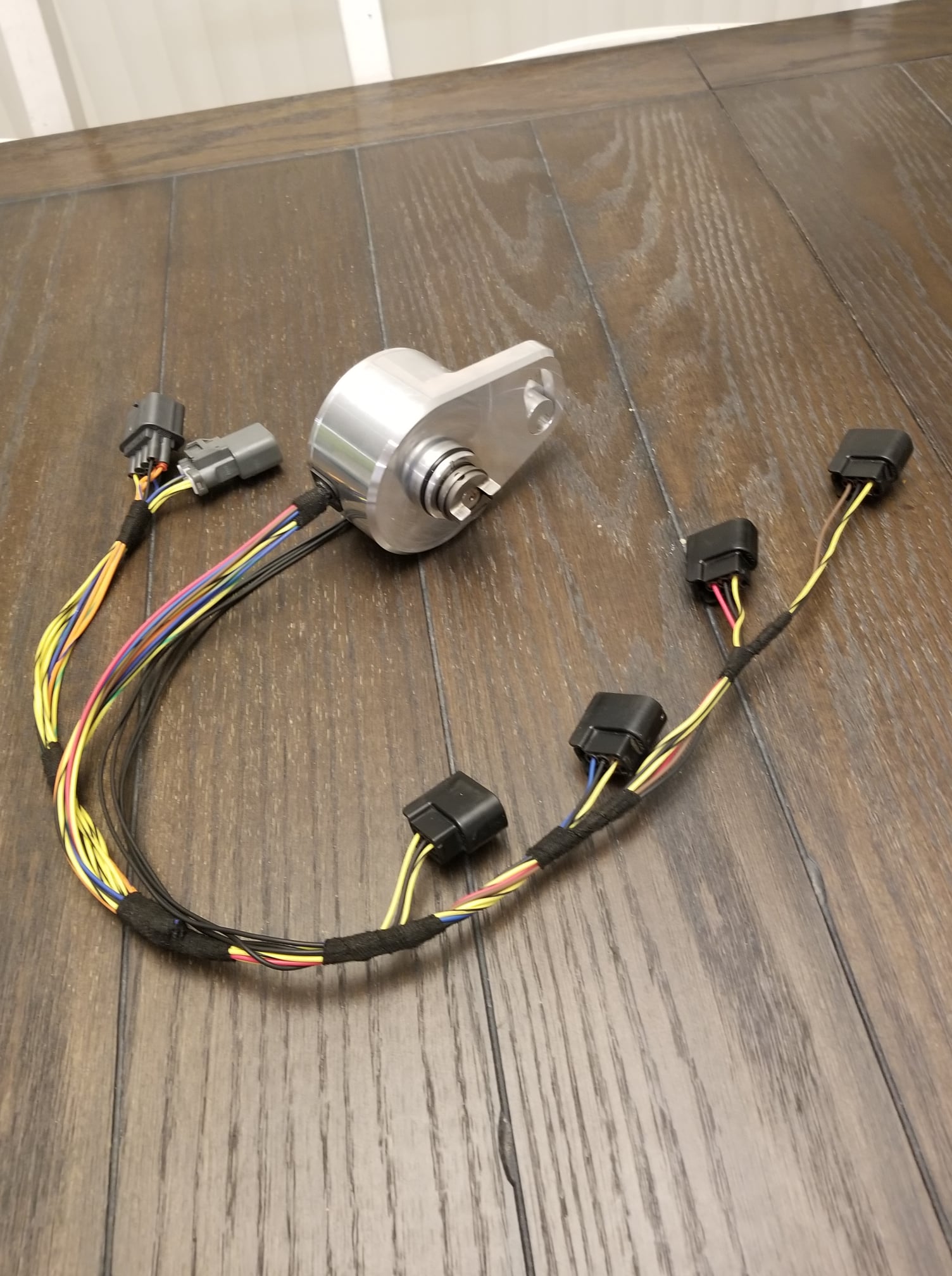
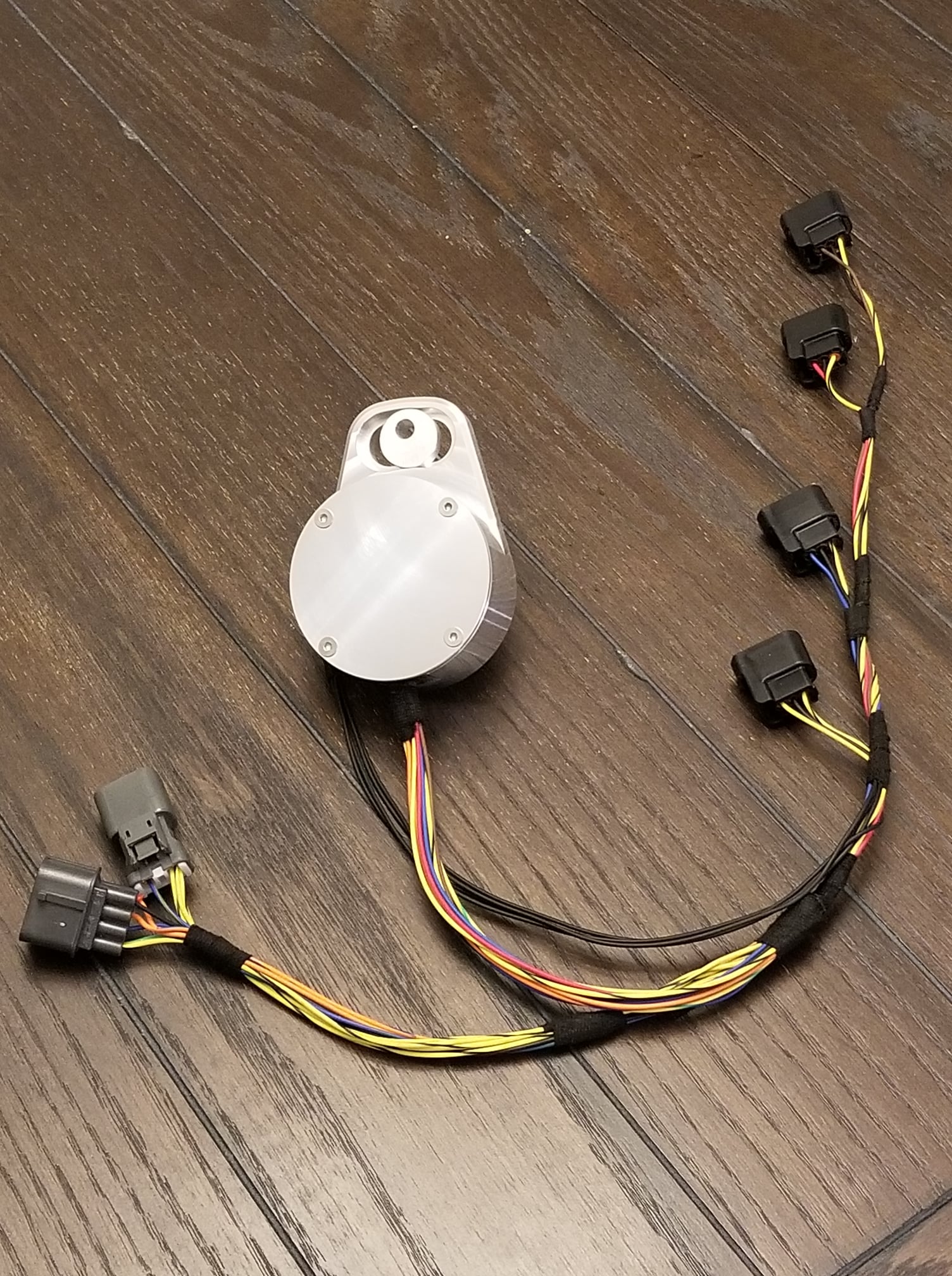
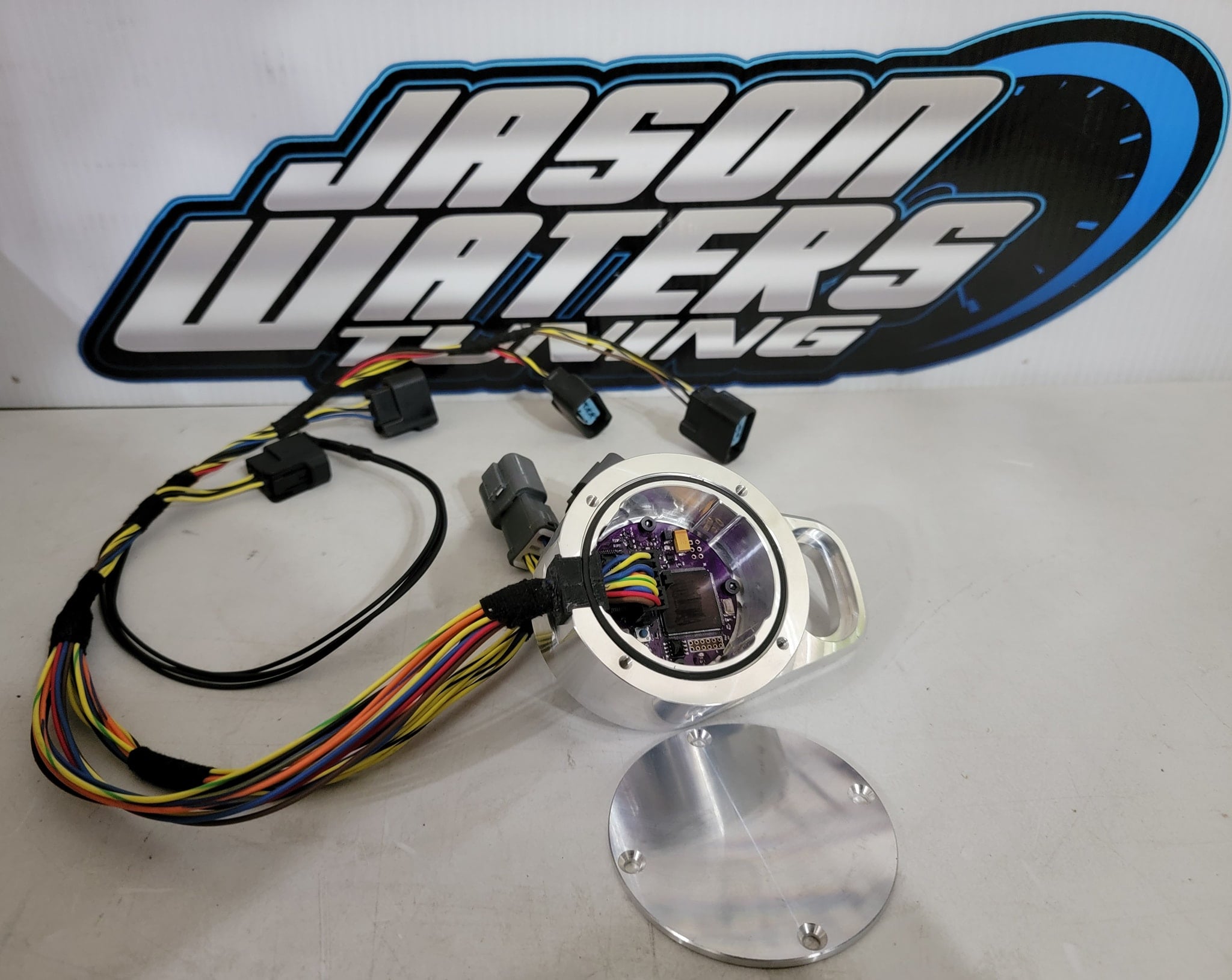
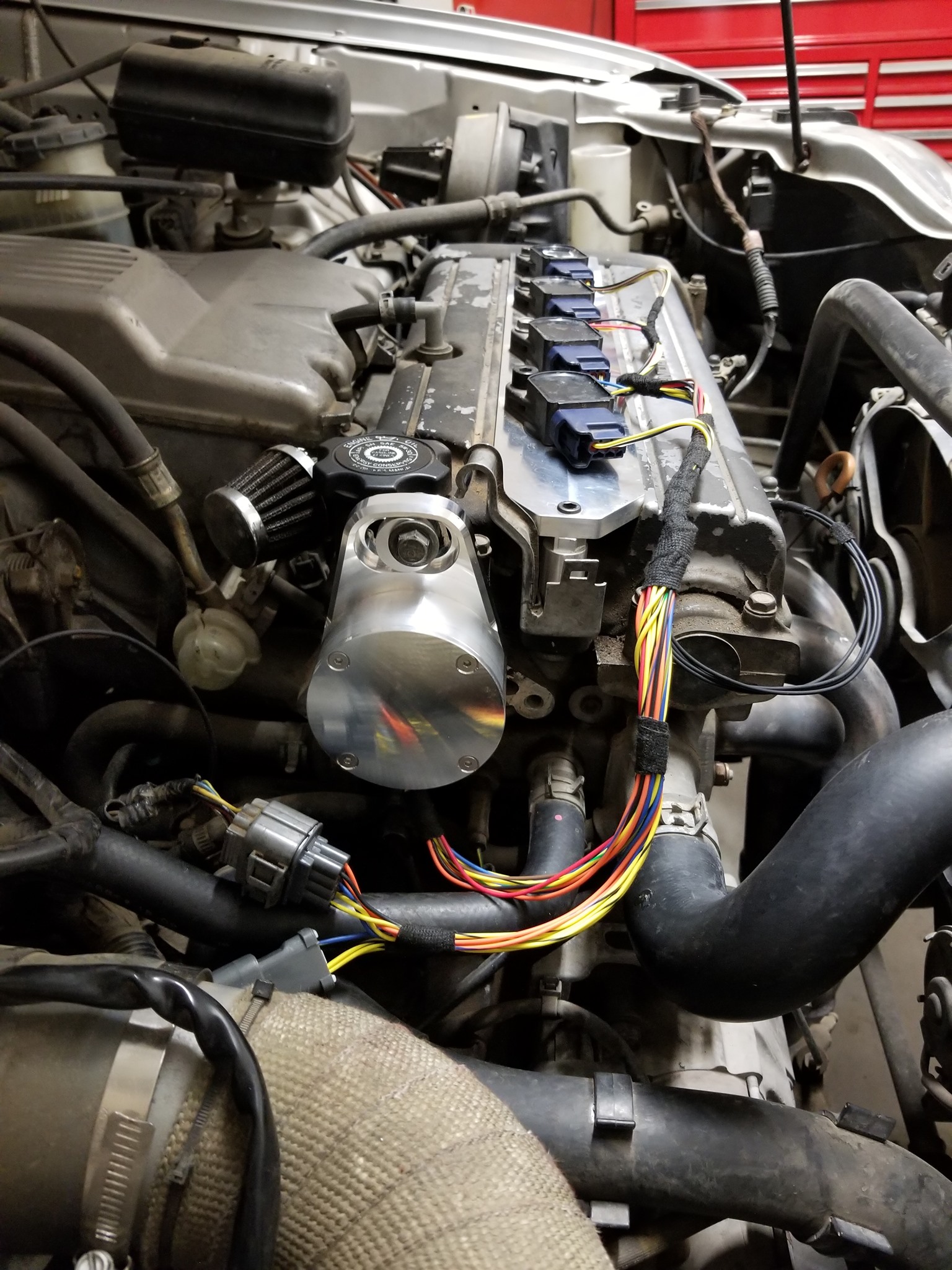
    The Digi Dizzy is the first 1st digital distributor for B D H and F Honda engines. Innovative, yet Simple Plug and Play system for Coil On Plug conversion.

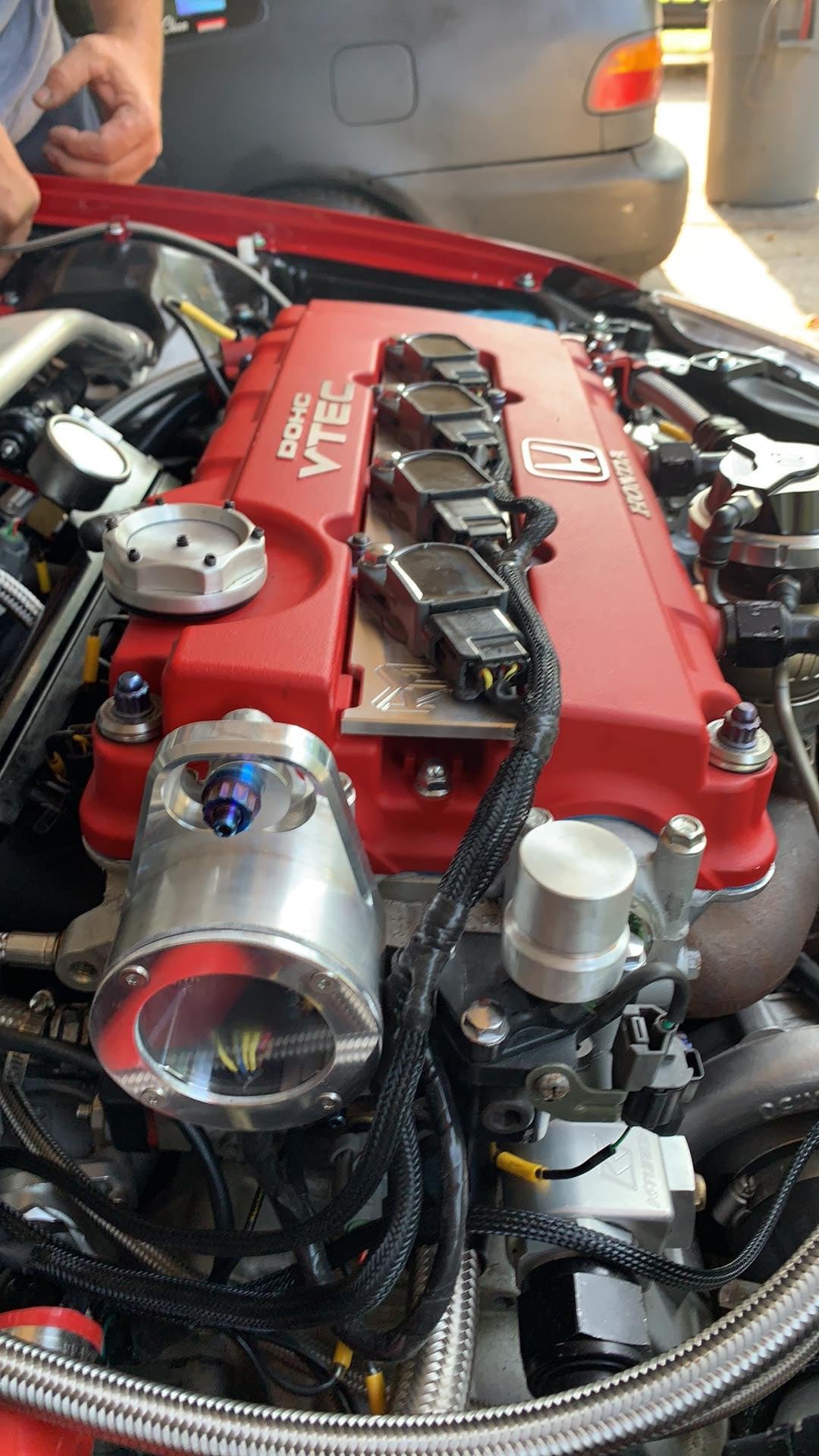
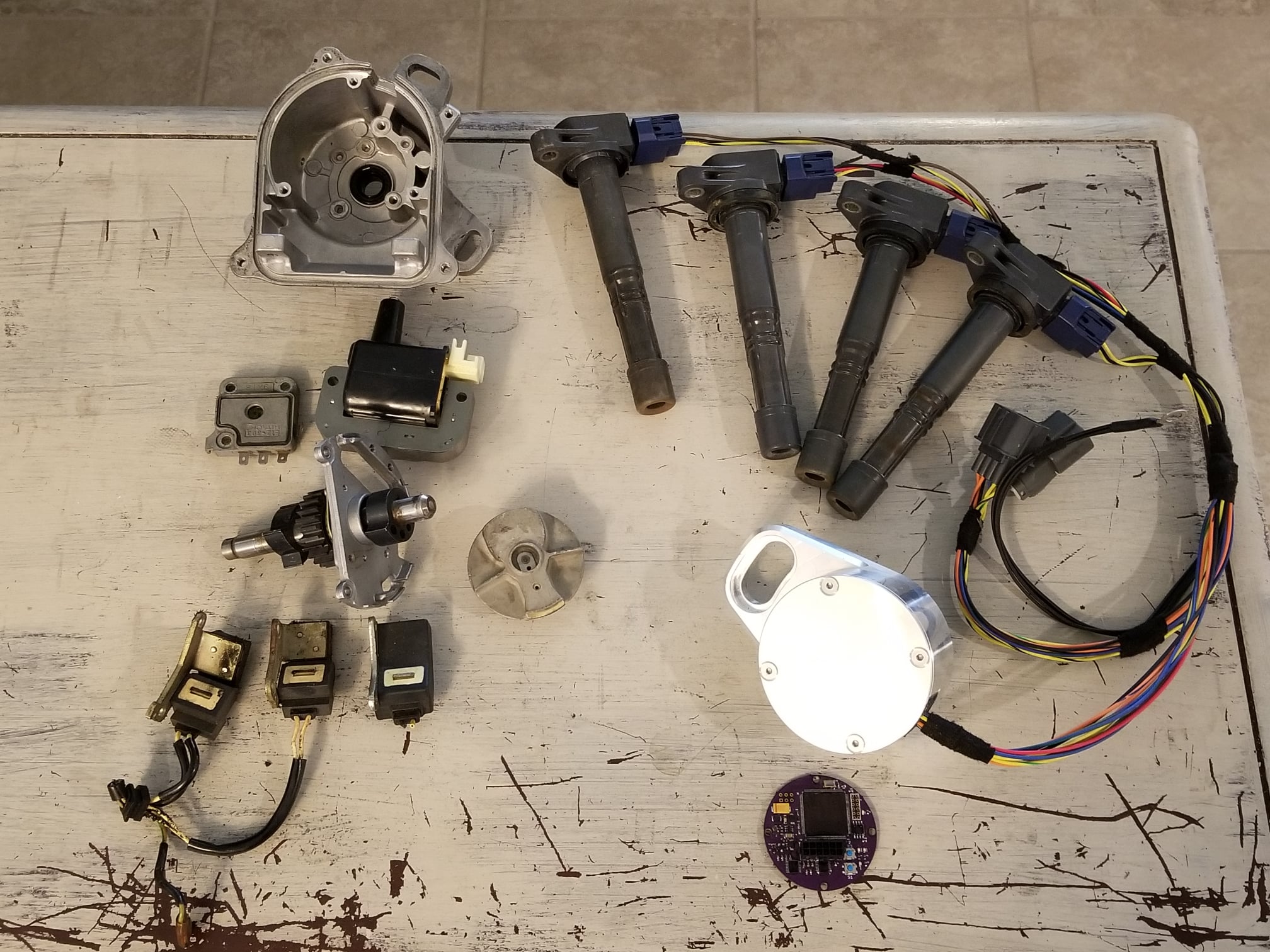
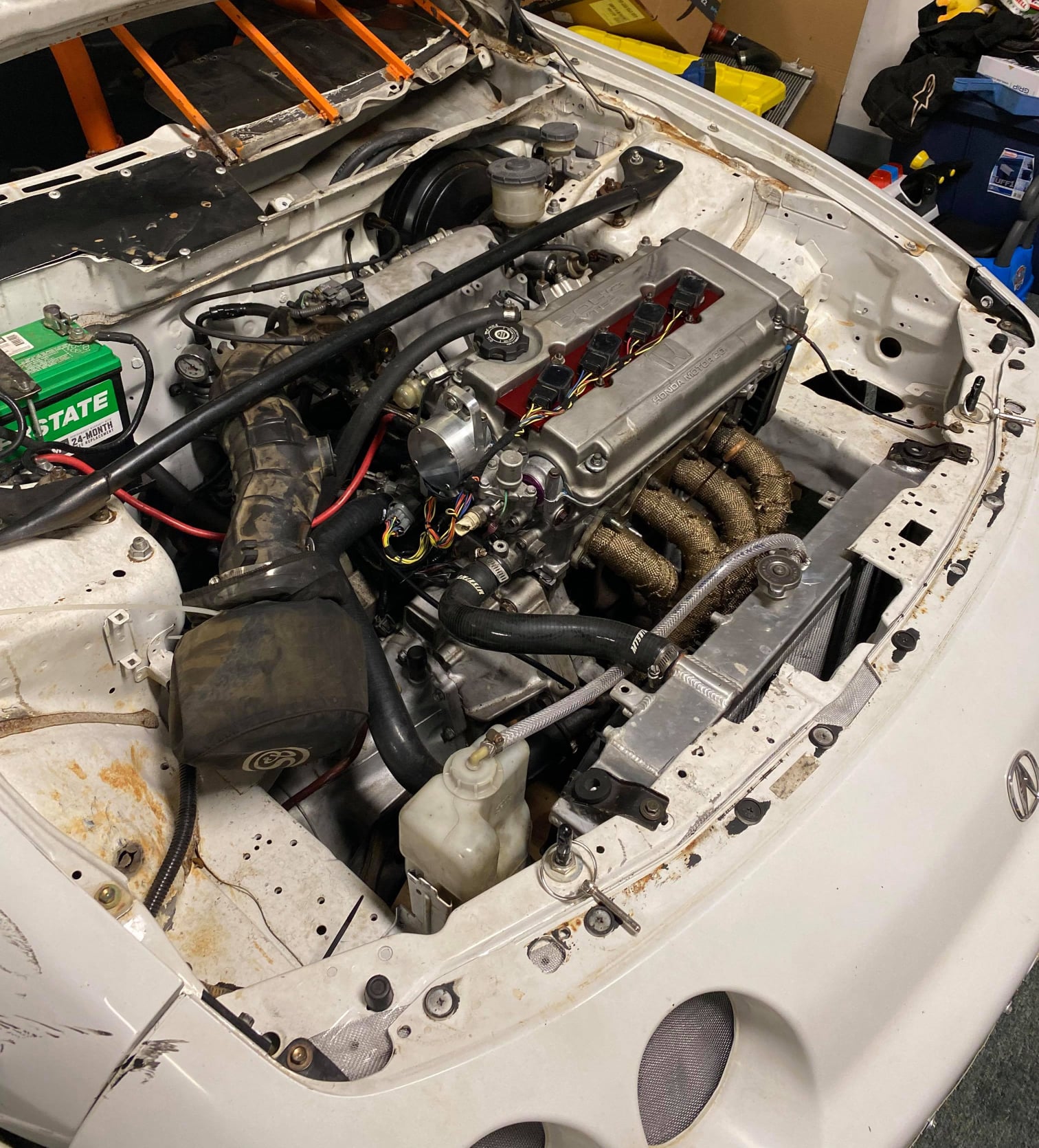
    DigiDizzy, Honda’s first fully digital distributor replacement, with coil on plug, just simply follow a few instructional steps and install. No cutting, splicing, modifying, soldering, chipping, tuning, external boxes, etc. etc. needed to go Coil On Plug.
    Works with OBD1, OBD2, Stock, chipped, tuned, untuned, B Series, D Series, H Series, F Series, any ECU that would normally be able to work with the Honda distributor. No Mods needed, Plug&Play Coil On Plug Digital Distributor.

    This complete distributor replacement brings in a new era of technology to highly beloved Honda’s of the late 80’s to early 2000’s with the use of the OBD1 ECU’ like the P05, P06, P07, P28, P72, P75, as well as the 96-01 P2E, P2P, P2T, P3F, PHK and many more.

    By completely building from the ground up, we get rid of the troublesome VR Sensors (Variable Reluctance, A.C. voltage), aging and failing ICM (Ignition Control Module), Rotor Retention screw flights resulting in total annihilation on internals, Plug wire failures, distributor cap cracking, not to mention with this brand new unit you have new seals and a much larger and sturdier new bearing.

    This single unit can be used on most D B H and F series engines. With user position programmability, you can move from one engine to another and simply set the engine to Cylinder 1 TDC, press the program button, start the engine and set timing as usual.

    No Vehicle modifications necessary , completely Plug and Play with an addition of adding 1 engine ground wire. The signals generated from the DigiDizzy were created to replicate the 92-01 ECU’s, from the Del Sol, Civic, p28 and similar to the P2P, P2T, PHK, P3F.

    Available for pre order , 200 in production.
    Contact: PreOrderDigiDizzy@gmail.com to place an order.

    $699 shipped within the USA, DigiDizzy and OBD1 OR OBD2 harness.

    No coil bracket included, No coils included, Many options out there for those, we make the DigiDizzy, Harnesses in production will be sheathed.

    Social
    FB https://www.facebook.com/DigiDizzy/
    IG https://www.instagram.com/digidizzy/
    YT https://www.youtube.com/channel/UC5aGn6LfSO9Ym9gredoveZQ

    https://www.youtube.com/watch?v=lZi3MucspAk
  • Who, what is Omniman?

    Who, what is Omniman?

    The brief bio of the man who created the LS VTEC. See how Steve’s presence has impacted Honda Motorsports.

    Who, what is Omniman? Here is some back ground info to give the Honda racing community a better understanding of one of its greatest pioneers. I have had the pleasure of knowing Steve “Omniman” for the last few years and he has always been there to lend a helping hand. He is willing to share and teach whatever he can when he can spare a free moment. I bug him here and there for his opinion because I know he won’t steer me wrong and he never complains even with his busy schedule. Steve is a natural pioneer and teacher as you will soon learn.

    Paris R. Jackson

    Moving from California to Colorado seemed like the best plan in the world; I mean he was going to work at a Ferrari dealership and what gasoline blooded person wouldn’t want to go work on the pinnacle of automotive achievement?? Well, some times the best laid plans just don’t work out. After working at the Ferrari dealership in Colorado , and not being able to pay his rent, due to the very slow winters, Steve was working part time to help pay bills at the shop in Denver where he originated the LS/VTEC called Speed Image. After working there and learning many of the tricks he now employs daily, he was lured back to California to work on some other exotic cars in the form of Lamborghini`s and Ferrari`s. But again, the Honda scene lured him back, but not before bestowing upon him, some great knowledge to be tried in the Honda world.

    Steve had wondered how to build a “stroker” motor (adding stroke to the crank throw to gain more displacement) without ruining the rod ratio. The only problem was you could only move the wrist pin up so much before you ran out of room. Not really an option back in the late 90`s, if you wanted a good rod ratio . In 198 4 Lamborghini wanted to come out with a new bigger motor, using stroke to increase displacement they faced a similar problem, but not having the money to have a new block casting made, Lamborghini designers decided to add stroke, by adding what`s commonly referred to as a deck plate to their motors. Steve had seen this when working on the 85 Countach and decided that he wanted to try it out for himself on a Honda motor. However, no one had ever tried it, so once again our famed engine guru is treading on thin ice. He had Advance Coordinate technologies in Denver make up a CNC program for $375 and took that program to Denver Mill and Lathe to have some plates made. With these in hand, he called Crower to get some rods. The guy on the other end of the phone (Brian Crower) must have thought Steve was out to lunch when he asked for a rod that long for a Honda motor. AS his reply was something to the effect of %u201CYou want a rod how long for what motor? Son, you do realize that it`s going to stick out the top of the block right??%u201D Never the less, Steve persevered and built his stroker motor, which was used in the Skunk2 drag car from 1999-2002 and made some ridiculous power with them, too bad the NHRA later banned the deck plate idea.

    After working for Ferrari for nearly 4 years Steve ended up at Speed Image in Denver Colorado , to find his true love, Honda engines. After 3 years there and wanting to get back to California Steve took a job at Milano Imports (the largest and oldest Lamborghini tuner/dealer in the world). While there he again realized his passion for Hondas and was offered a job at group-a-auto sports/skunkworks. Later to be renamed Skunk2 after Lockheed got a little tense over the use of their name. In the 4 years that he worked for Skunk2 Steve helped the Drag racing team to 2 National Championships in 1999 ( when they became the first all motor car to hit 10`s and break 120mph) and 2000 and went completely undefeated in 1999 as well as the longest winning streak ever in all motor history with 9 straight wins. They also were runners up in the national points chase in 2002 in the NHRA series . Also while Steve was there, Skunk2 sponsored a few road race cars compet ing in SCCA’s speed world challenge, and were quickly realized as a force to be reckoned with, such as Roger Fo0’s rookie of the year achievement in 2001 . Steve helped develop most of the products that we have all come to know from Skunk 2 in the 4 years that he was there, but in the end, it was time for Steve to move on to bigger and better things. As Steve found out that working for someone can only get you so far, before you have to take matters into your own hands.

    In 2004 Steve decided to start Omnipower ( http://www.omnipowerusa.com ) which will engineer, and design new products specifically geared towards making cars go faster and handle better. Omnipower is truly dedicated to serving the enthusiast so Cost will ALWAYS be considered , to give the average guy the chance to buy well designed and functioning parts . After watching our industry price parts go higher tha n they should , Steve has decided to go against the mold and price parts fairly. With an ever expanding line up of products, which at the time of printing included: Valve springs, valves, Front and rear Camber kits, full coilover shocks and a new exhaust system aimed at high output all motor cars and turbo cars . There are many other products that are on the drawing board, and will soon be released. So be sure to check http://omnipowerusa.com/ often for new product information from one of the brightest minds our industry has to offer. I have to say a big thank you to Steve for letting me tell his story.

    Clayton Harmer


    Read more about Steve Omniman

    First LS VTEC

  • The First LS VTEC

    The First LS VTEC

    Many people have asked me who came up with the crazy idea of the LS VTEC, I knew was that it was Steve AKA Omniman. I decided to bug Steve to get the story straight from the horses mouth. So Steve sent me a copy of the story he was going to submit to a magazine. It looks like we got the jump on them who ever they are hehe. So here it is folks.. Paris

    In my never ending quest for knowledge, I sometimes find myself searching around the internet. Looking to dispel myths and find truth about the “wonder parts” we all hear so much about. Somewhere along the line I found the story of how the first LS/VTEC came to be. For those who don’t know the LS/VTEC is a non VTEC 1.8 liter block found in most Acura Integra’s, and a VTEC head from a B16 (SiR), GS-R or Integra Type R put on top. Back in the late 90’s when North America first saw VTEC in a Dual Over Head Cam (DOHC) variation; everyone thought this swap couldn’t be done. However, necessity being also the mother of invention, allowed one person to try the impossible. I couldn’t possibly put it any better than the man who did the swap himself could. So I’ll let his words speak for themselves. Without further a due, here is the story of the first LS/VTEC from the originator Steve ‘Omniman’ Rothenbuehler:

    How the LS/VTEC came about…….
    The first LS/VTEC was built in Denver, Colorado at Speed Image, I worked there from 96-98.
    It all started one night in the summer of 97 when we were driving home from work. I was in my 92 GSR and Hoang (the owner of speed image) was driving his cousins 92 CX hatch with a GS-R motor. While we were driving home the CX died on the freeway. We towed it back to the shop, pulled the head off and found that one of the stainless steel valves had broke, taking out the entire motor. After some investigating we finally found out that one of the other cousins had over revved the motor and bent the valves but didn’t want to get in trouble so he didn’t tell anyone. I felt really sorry for Tin the owner of the car. He spent a lot of money on it and now this had to happen. Tin literally spent every penny he had getting his motor in the car and running (everyone knows how that goes).

    Hoang and I looked everywhere but could not find another GS-R motor, at least one that we could afford. The only thing we had at the shop was a 90k mile LS block that someone had sold us for a $100 and a GSR head. I started comparing things, like heads, blocks, head gaskets, oil pumps, etc it looked close enough for the most part and I decided to see if we could put the 2 together.

    The first problem was the dowel pins had to be relocated to the other side of the head, no big deal. I went and bought a 9/16 drill (couldn’t find a 14mm) so 14.2 would have to do. I mocked up the motor with one valve in each side of the head kaddy corner so I could look through the exhaust port and see the intake valve and visa versa. With GS-R cams there seemed to be just enough clearance when VTEC was locked on. The cam timing even lined up perfect to our surprise. After that I installed the head (all stock) and put the motor in the car. When we finally got it running it felt great but there was no VTEC. So, back to the drawing board we went. I took the blown up motor and did some more comparing and noticed the oil hole where the VTEC got its oil pressure from wasn’t in the LS block. So I pulled the head off and figured if I added oil pressure to the passage it would work. Of course I had to plug up the hole in the bottom of the head so it wouldn’t leak.

    With the head back on we took it out for a test drive and it worked. Not only did it work but, it felt faster than any N/A motor we had felt. I took it to Dyno Pro (the local dyno tuning place owned by Bear Lynch) and it put down 154 whp and 125 ft/lbs of torque.
    About a month went by and we saved up and bought some type-r piston from the local Honda dealer. I wanted to see what would happen if I put a point of compression in it. When I went to install them the rods were too wide and would not fit in the pistons. I took the rods to a local machine shop and paid 50 bucks for them to shave 1mm off each side of the small end of the rods. They looked at me like I was crazy, but they did it anyways, after telling me they would not be responsible if it broke.

    It was a Friday when I got the rods back so I worked on the car all night while all my friends were out clubbing. I finally got it started at about 12:30 am. After cleaning up I drove it home, and man was it faster. The funny thing is that I didn’t not have enough money to buy new rings so I put in used rings from some left over rebuilds I had done. I really just wanted to get this guys car back and running, since it was his only car.

    The next day, everyone took turns driving it that weekend and we all wondered how much power the pistons made. The following Monday I took the car back to Dyno Pro and re-base lined it. Wow! It made 165whp and 132 ft/lbs of torque. The car felt really good even considering we were in Denver (5280 feet above sea level). The pistons picked up 11 whp, or should I say compression.
    A few weeks later I drove it to Dynamic Autosports for an Integra Type-r intake cam and a throttle body. Also it was a good test to see how reliable it was, since it was an 1100 mile trip each way.

    I made it no problem; the motor didn’t miss a beat, thank god (I was by myself with no cell phone). We installed the type-r cam and throttle body and put it on their dyno. We managed to hit 180whp with a full exhaust, a new NA record for their dyno. However; the next day some guy came in with a full race LS motor on carburetors and made 182. At least I had the record for a day.

    After that, I drove the car back to Denver and there it lives. It has changed owners 3 times. The car it was in even won a burn out contest, its first bracket race, and was in a magazine (turbo I believe). It was still running up until the summer of 2003 when the 3rd owner accidentally ran it out of oil and pitched a rod through the block.

    Clayton Harmer

    If you would like to learn more about Steve “Omniman” Click here.

  • Boost? We Don’t Need No Stinkin’ Boost!

    Boost? We Don’t Need No Stinkin’ Boost!

    10/8/2004
    By: Roger Hewson

    Technology is a fabulous thing when it is applied properly, especially in the case of engines. If you look at the K-series motors and compare them to the B-series, you’ll wonder why anyone is still running a B-series. Especially after seeing what happens when you get some serious brains behind it like the staff at Toda Racing.

    Ali Jahed at Toda Racing says it is possible to make roughly 230 wheel-horsepower with bolt-on Toda parts and an average run-of-the-mill K20A. This is before you start tuning it with parts like cam sprockets and bumping up the compression. We had to see how this was possible without headwork, cam gears, or a second engine helping out.

    All it took was a phone call and Jahed agreed to show us the way to K20 enlightenment.
    He put down the parts out for all to see and showed us exactly how someone goes about making anywhere from 230 to 300 naturally aspirated, turbo-chasing horsepower with the K20A and how to do it with huge amounts of torque or no loss in drivability when compared to a B-series motor and even the larger H-series.

    The car was making 230 horsepower at the wheels…

    For as long as Hondas have existed, somewhere there have been mullet-wearing NASCAR fans snickering and joking about how Hondas don’t have enough power to run a weed whacker. And VTEC? What’s that? A Shot the vet gives my pet mule? The 20 total degrees of computer-controlled advance and retard on the intake cam of the K20A has changed all that by giving the RSX Type S impressive mid-range power which Toda enhances all while letting the motor spin just past 8800 rpm without ever letting the power drop below 220 horsepower at the wheels. How is it possible to get more power in the mid-range and enough cam to keep your foot planted deep into the red? There is more to it than VTEC. Keep reading and maybe you’ll learn something.
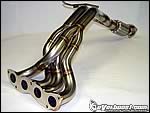
    The first thing Jahed displayed for us was the Toda race header. It’s an incredible piece of work. Where the inner diameter of the tubing meets the flange is flawless, the welds are beautiful. It’s almost worth buying two just so there was always one sitting around to look at. You could buy three or four of what I like to call, the K-Mart headers, for what one of these full length headers costs. Four K-Mart headers will not last as long as this piece, or bolt on 18 wheel-horsepower on a car with a standard open intake and cat-back exhaust system. The downside is that the header eliminates the cat making it legal for off road vehicles only. The Toda race header has an extra O2 sensor bung in case you want to fit an air/fuel meter.

    Next on the list was the Toda K20 engine kit. The kit is made up of Toda U.S.-Spec N2 camshafts, Toda Valve Springs and a reflashed ECU. On a car with an open intake, Toda Race Header, and a cat-back exhaust the Engine kit made 37 horsepower to the wheels over the existing mods with no loss of torque anywhere in the powerband above 2000 rpm and nice noticeable gains in the midrange. The car was now making 230 horsepower at the wheels and 159 lb. ft. of torque compared to 171 horsepower and 122 lb ft stock and 195 horsepower and 133 lb ft with just a header intake and exhaust. Remember that the Toda Race Header was 18 of the 24 horses made before the engine kit.

    The ECU reprogram changes the VTEC crossover points to 5900 rpm from zero to 75 percent throttle and when you really put your foot down the VTEC switch-over is dropped to 3900 rpm for more midrange torque because they are able to optimize it with the cam timing control functions of the iVTEC. Remember how I said technology is wonderful? Well I wasn’t talking about how blenders have an extra speed now or the fact that you don’t have to leave home to get porn anymore because of the Internet.

    You can have good power from 2000 rpm to just short of 9000 rpm

    The computer adjustable cam timing is what makes the “i” in iVTEC so special. The computer moving the cam around for you is one reason the K20A is so torquey compared to a B-series motor. What is happening is at low rpm the intake cam runs advanced in varying degrees to bring the power earlier in the powerband. As the motor revs the timing begins to retard itself a certain amount to extend the power higher into the curve giving you a wider flatter powerband. It’s like having someone tuning a set of cam sprockets for you non stop. Toda Racing spent countless hours on the dyno tuning the iVTEC specifically for the N2 camshafts so there is no guess work with the engine kit. Just plug in your Toda ECU and go.

    “With a B-series motor you’re usually stuck with a powerband in the 4500 rpm to 9500 rpm range where as with the K-series engines—because they are so much more advanced—you can have good, strong power from 2000 all the way to just short of 9000 rpm” Jahed says. “The new technology allows us to do things with the K-series that is not possible with the B-series engine” Jahed is very proud of the work put into the Toda engine kit and the consistency customers are able to achieve with these types of parts. “Everyone is going to get similar gains with our kit,” says Jahed. “There will not be instances like we have had in the past with the B-series where one customer can only get five horsepower out of a set of cams because he can not tune it correctly and another gets 20 because he lives next to one of the best tuning shops in the country.”

    After the engine kit, finding power becomes a more serious hunt. Jahed recommends installing the Toda adjustable exhaust cam gear and the High Power head gasket for a slight bump in compression. The Cam Gear is an excellent way to add more power and tune the car to your liking on the dyno. Because the K20 has control of the intake camshaft timing only the exhaust sprocket is needed. Jahed says he has seen cars make an additional five or six horsepower across the powerband with a little tuning of the exhaust cam.

    The head gasket will bump the compression to 11:5 to 1, boosting power, efficiency and response everywhere across the rpm range. This should be worth an easy three to five horsepower on its own. Combined with the Toda adjustable exhaust cam gear, you are looking at another eight to 11 horsepower for almost 250 at the wheels with once again, no loss of power in the lower rpm range at all. More compression always equals more torque, but it brings with it our old friend detonation. How much and how often are going to depend on your individual setup, intake temperature, gas quality, location and other factors. You may loose consistency with too much compression due to the car only wanting to run good in conditions where it does not ping so beware of how much you add.

    Toda’s Lightweight chrome molly steel flywheel and clutch package are another excellent way to squeeze some more acceleration out of the K20A. Toda strips as much weight as possible out of the flywheel while still retaining the inertia needed for daily driving by setting weight in the right places. This gives you a motor that revs up and down noticeably faster than stock, but still drives like stock when you let the clutch out. In short, when you put your foot down the car is going jump forward like you never thought it could without adding more power underneath the hood. The clutch and pressure plate are balanced and feature heavy duty straps and rivets to hold the assembly together during abusive situations. Because the disc uses a full-face lining, clutch engagement is smooth and progressive. The flywheel and clutch set are available separately.

    If you want to go farther still, Toda has high silicone content 12:5 to 1 compression forged pistons designed specifically to the same thermal expansion rate as the stock cast piston so you can run the same piston to wall clearance as the stock motor. These special forged pistons are quiet, long lasting and do not burn oil because they allow such tight tolerances for a forged piston. The secret is the high silicone content Toda uses because the pistons are not designed for use in a motor with boost or nitrous. (If you’re putting boost or nitrous through a 12.5:1 motor and you don’t know this already, you need to start riding a bicycle everywhere) With this racecar-like compression, more than 300 crank horsepower should be possible on race gas when combined with the Toda K20 VTEC Killer cams and the Sports Injection Kit.

    The VTEC Killer series is not designed for street use, it eliminates the “i” function of the iVTEC and requires use of Toda’s adjustable intake cam gear so the cams can be tuned on the dyno with stand-alone engine management. The VTEC Killer series is designed to make power above 5000 rpm and makes the powerband of the K20 feel more like the older B series engines because of the lack of variable intake cam timing.

    But why bother removing the technology? The variable intake cam timing is part of why the motor is so impressive when mildly tuned. When removed, the power gains made before VTEC switches over are all lost and the motor looses around 3000 rpm of powerband and is only fast at the track.

    “With so many cars in Honda’s lineup that are aimed at fuel economy, emissions and practicality it is a relief to see that the K20 is a huge step forward and not a step back,” says Jahed. Think about what a CRX would run like with a 250 wheel-horsepower K20A stuffed in it. Hmmm I wonder if we can do Project K20 CRX after I complete Project Find $10,000 Under a Rock?

404 Not Found