Physical Address
304 North Cardinal St.
Dorchester Center, MA 02124
Physical Address
304 North Cardinal St.
Dorchester Center, MA 02124
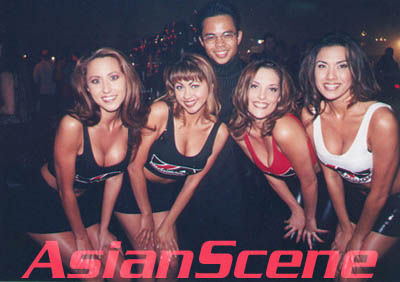
The Y2K Kickoff: Hot Import Nights Del Mar 2000 Date: February 5,…
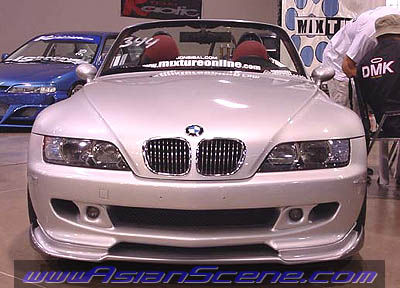
The Millennium Finale: Import Showoff Classic Anaheim 1999 Date: December 19, 1999…
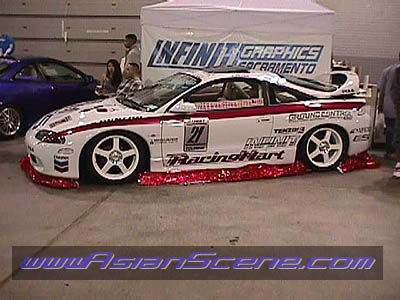
The Capital City Exhibition: Import Showdown Sacramento 1999 Date: November 21, 1999…

The Purist’s Finale: Import Showoff Del Mar – October 1999 Date: October…

The Season Finale: Hot Import Nights Long Beach – October 1999 Date:…
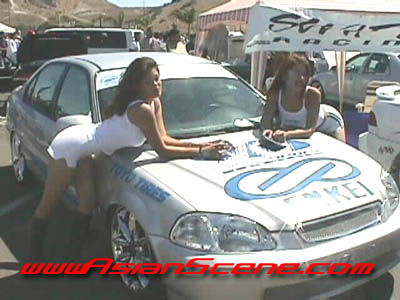
The San Diego Fusion: Extreme AutoFest Chula Vista 1999 Date: August 29,…

Late Season Exhibition: Import Nationals San Francisco 1999 Date: August 22, 1999…
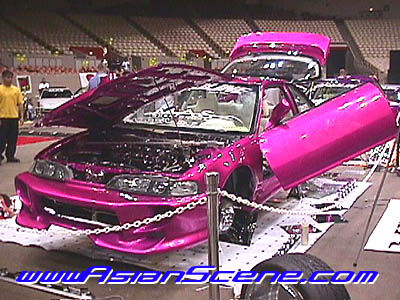
Chrome and Customization: Import Autorama San Diego 1999 Date: August 1, 1999…
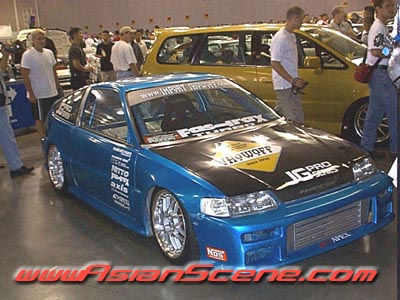
The Silicon Valley Standard: Import Showoff San Jose 1999 Date: July 25,…

The Southeast Surge: Full Blown at the University of Florida Date: June…